
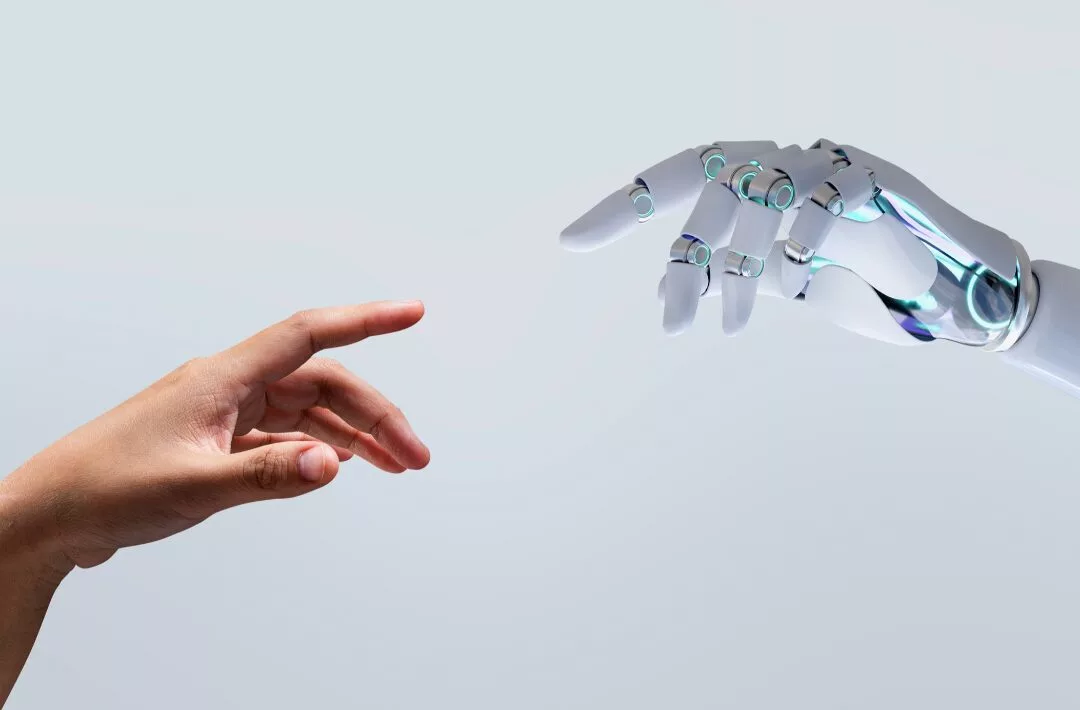
In recent years, artificial intelligence tools like ChatGPT have become increasingly popular for mental health support. While these platforms can offer quick access to information, emotional validation, and a sense of connection, relying on AI for therapy can also have serious drawbacks. Understanding these risks is essential for anyone considering digital support over professional help.
One of the biggest concerns is the lack of human empathy and nuance. AI can simulate compassion through language, but it cannot truly understand human emotions or life experiences. Genuine therapeutic progress often depends on empathy, body language, and human connection—elements that no algorithm can replicate. This can leave users feeling misunderstood or dismissed when their needs are complex or deeply personal.
Another issue is the potential for misinformation or inappropriate guidance. While AI is trained on large datasets, it can still produce inaccurate, biased, or even harmful advice. Unlike licensed therapists, AI lacks professional accountability and ethical oversight. This becomes particularly dangerous when users are experiencing crises such as suicidal thoughts, trauma, or abuse—situations that require immediate, qualified human intervention.
Privacy is also a serious concern. Conversations with AI systems may be stored or analyzed to improve algorithms, raising questions about data security and confidentiality. Therapy requires a safe, private environment, and users may not fully understand how their sensitive information is being used.
Finally, depending on AI for emotional support can discourage people from seeking real help. Over time, individuals may become isolated, relying on digital comfort instead of building genuine support networks or accessing effective treatment.
While AI can complement mental health education or self-reflection, it should never replace professional therapy. Emotional well-being is deeply human—and deserves human care, compassion, and expertise.